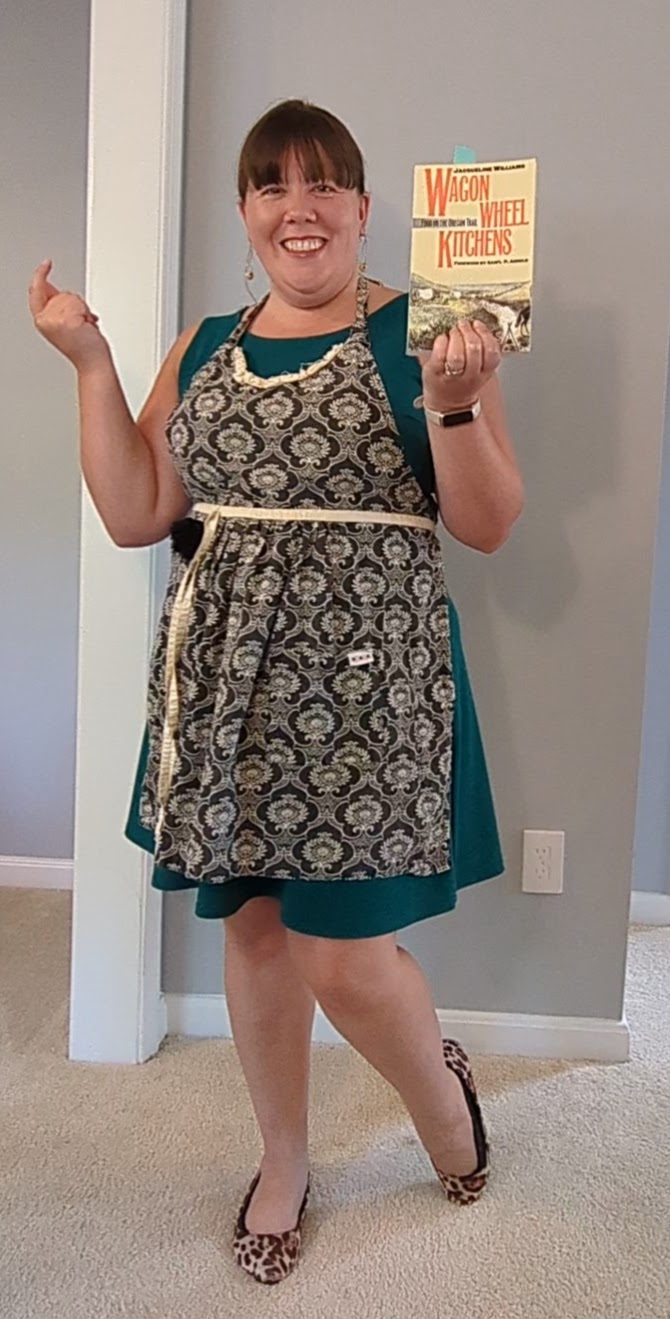
I know, why would I pick something as simple as Ginger Snaps? Well, partially because I’ve never actually made them before, and partially because they looked fun! Technically, the recipe is from The New England Economical Housekeeper published 1847, but I pulled it from Wagon Wheel Kitchens by Jacqueline Williams, which has so much amazing information. Enjoy! And, as short as this is, don’t forget to watch the (almost) shorter version over on Instagram! All my thanks to my sister, Tianna, who did the filming for me.
Ginger Snaps
The New England Economical Housekeeper
(Courtesy of Wagon Wheel Kitchens)
Published in 1847
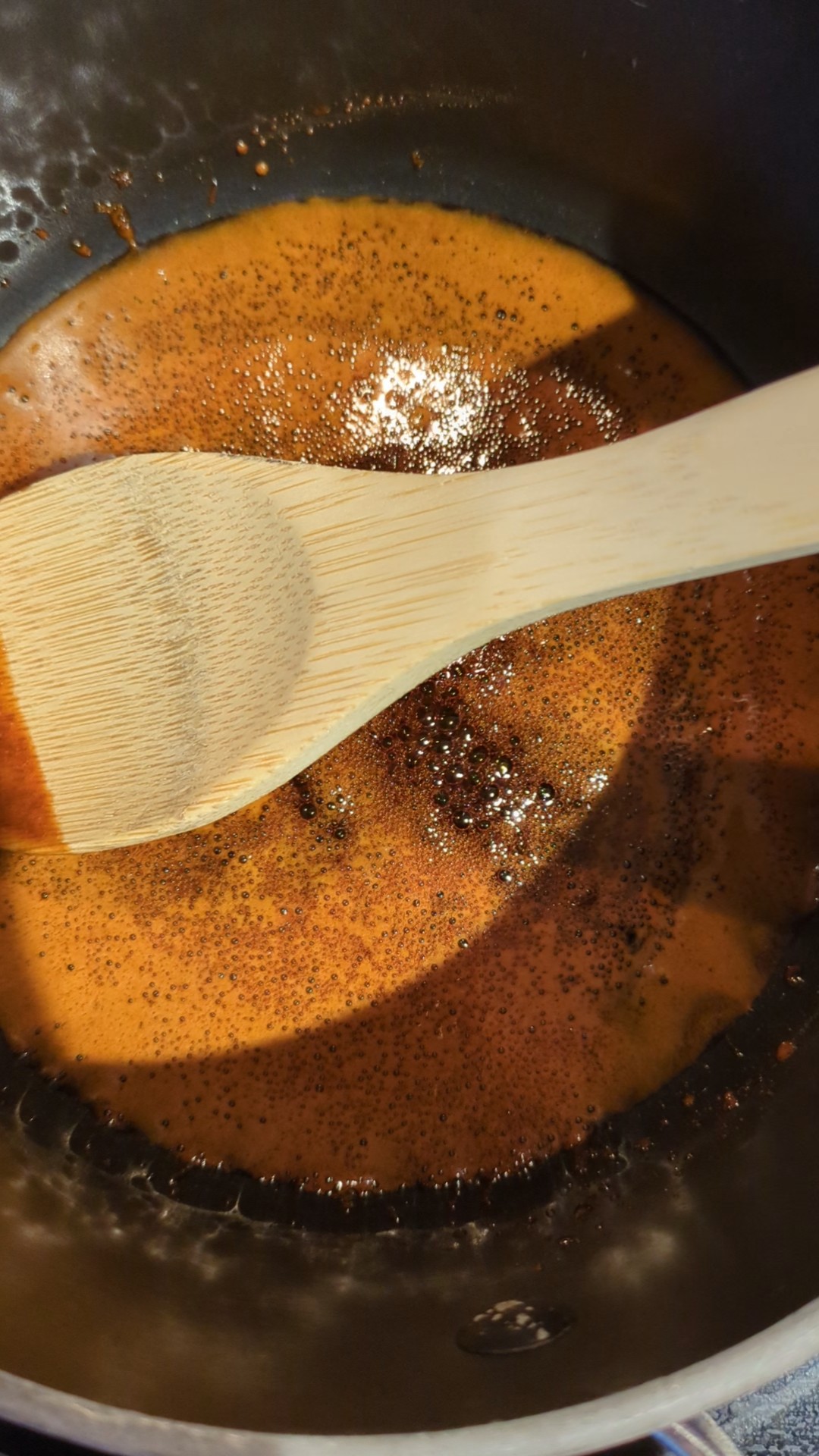
This recipe required me to pull out my Vintage Measurements sheet I made awhile back, which, not going to lie, made me feel so much more authentic. Because the very first thing it called for was a tea-cupful of molasses, a.k.a. about half a cup. I was instructed to boil it and then add in a couple spoonfuls of butter, a spoonful of ginger, and a teaspoonful of saleratus (baking soda) – and realized that my vintage measurement sheet is clearly incomplete because I wasn’t sure of the measurement differences there. I decided to use regular spoons for the first two and half that amount for the baking soda and hoped it work.
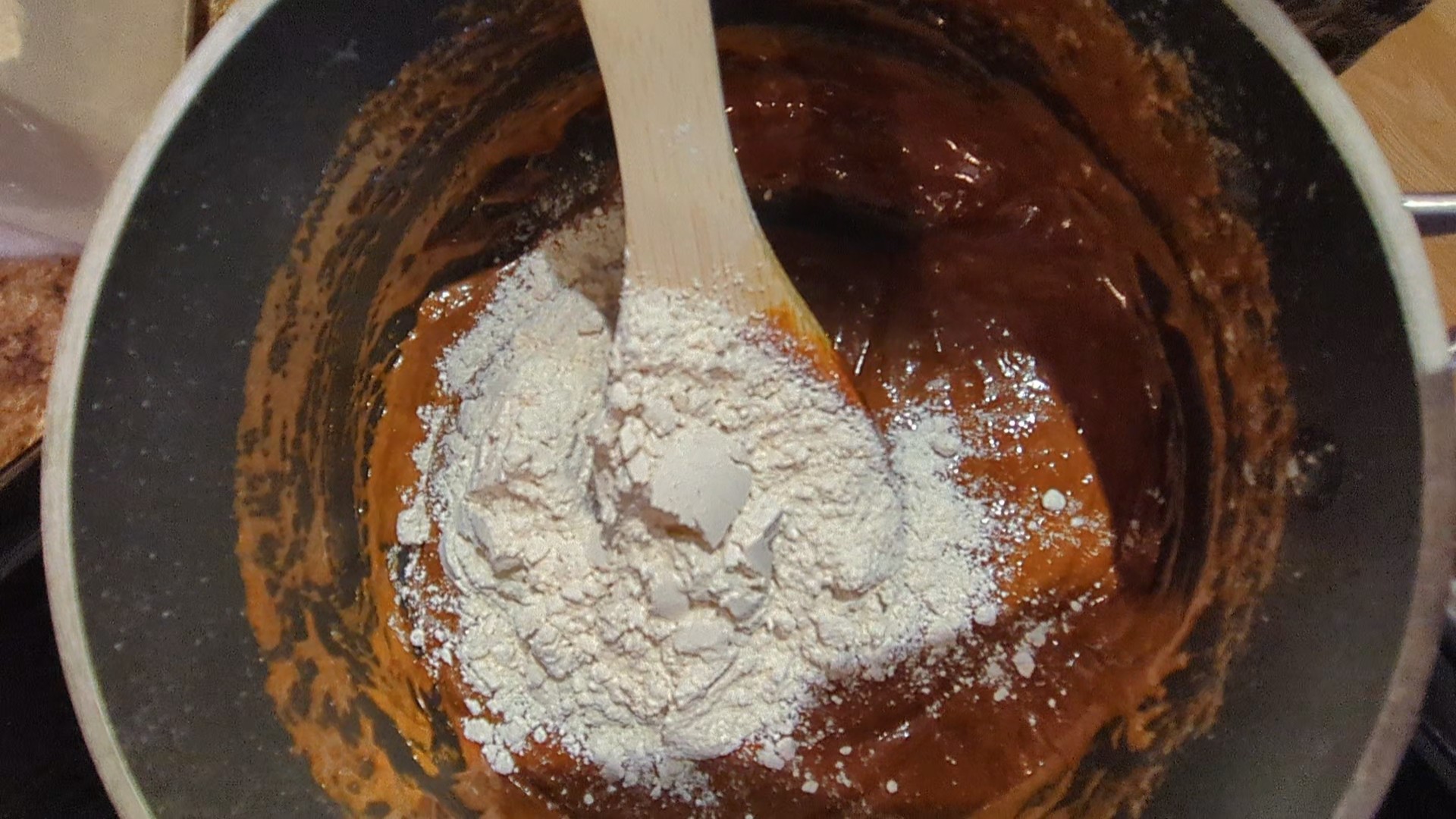
And that is when I realized it had no actual sugar in it! Because the next, and last, ingredient was flour. It didn’t tell me how much – oh, no. It just said to stir the flour in while it was hot. I started to overthink it, and then realized I really just needed to add enough to make a dough that I could roll out. One thing I did not anticipate is that it would be difficult to “roll out thin” because it was still so hot! But it didn’t say anything about letting it cool before rolling it out, so I got through it, chancing ruining my table by putting something so warm on it (spoiler alert: my table was fine). I obediently rolled it out and cut it into rounds.
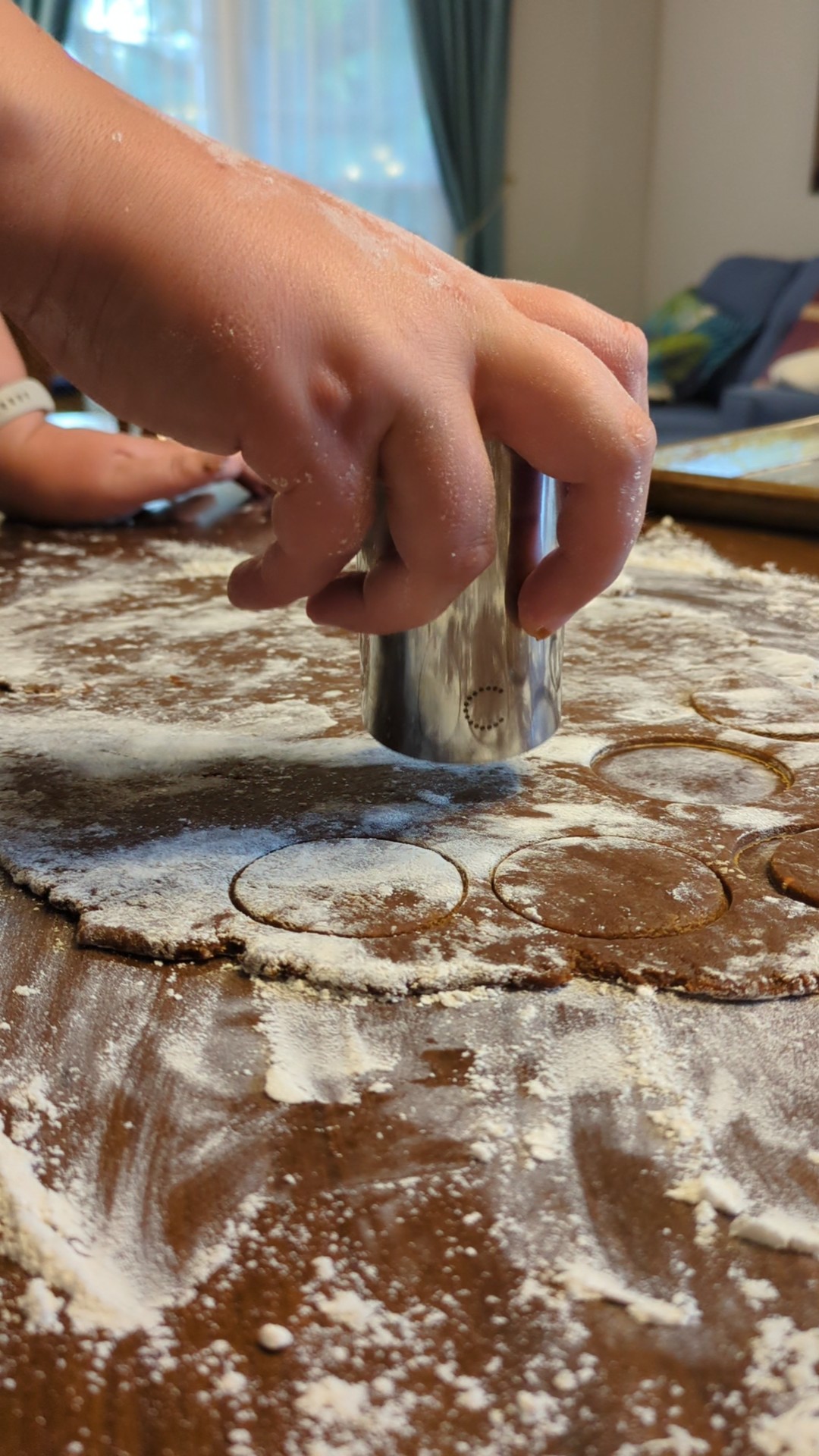
The most surprising thing to me was that as the dough cooled, it became significantly harder to handle. The first time I rolled it out, it was easy – almost too dough kind of easy. The second time, when it was only warm and had more flour in it, it took more work, and the third time – well, there wasn’t a third time because the dough was too hard to roll out anymore! I also couldn’t resist pinching off pieces to try because – well, how good could it taste without sugar? At first, it wasn’t as bad as expected. The next time I tasted it, it had grown on me, and by the time I couldn’t roll it out anymore, I didn’t really mind because, for having only molasses to sweeten it, that dough was actually really good.
I did take some time, throughout this, to contemplate what the recipe meant when it said to bake quick. Because, yes, that was the only instruction. Bake quick. After much deliberation, I decided to just set the oven to 400 and see how they looked after seven minutes. And, I’m not going to lie, I was pretty proud of myself when I pulled that sheet of cookies out and it looked perfect. And, for the first time in my Dinner at 1800 exploits, I couldn’t resist trying a cookie before Daniel. It was SO GOOD. I ate another one. And then made myself stop because we still had to serve them to Daniel and take pictures.
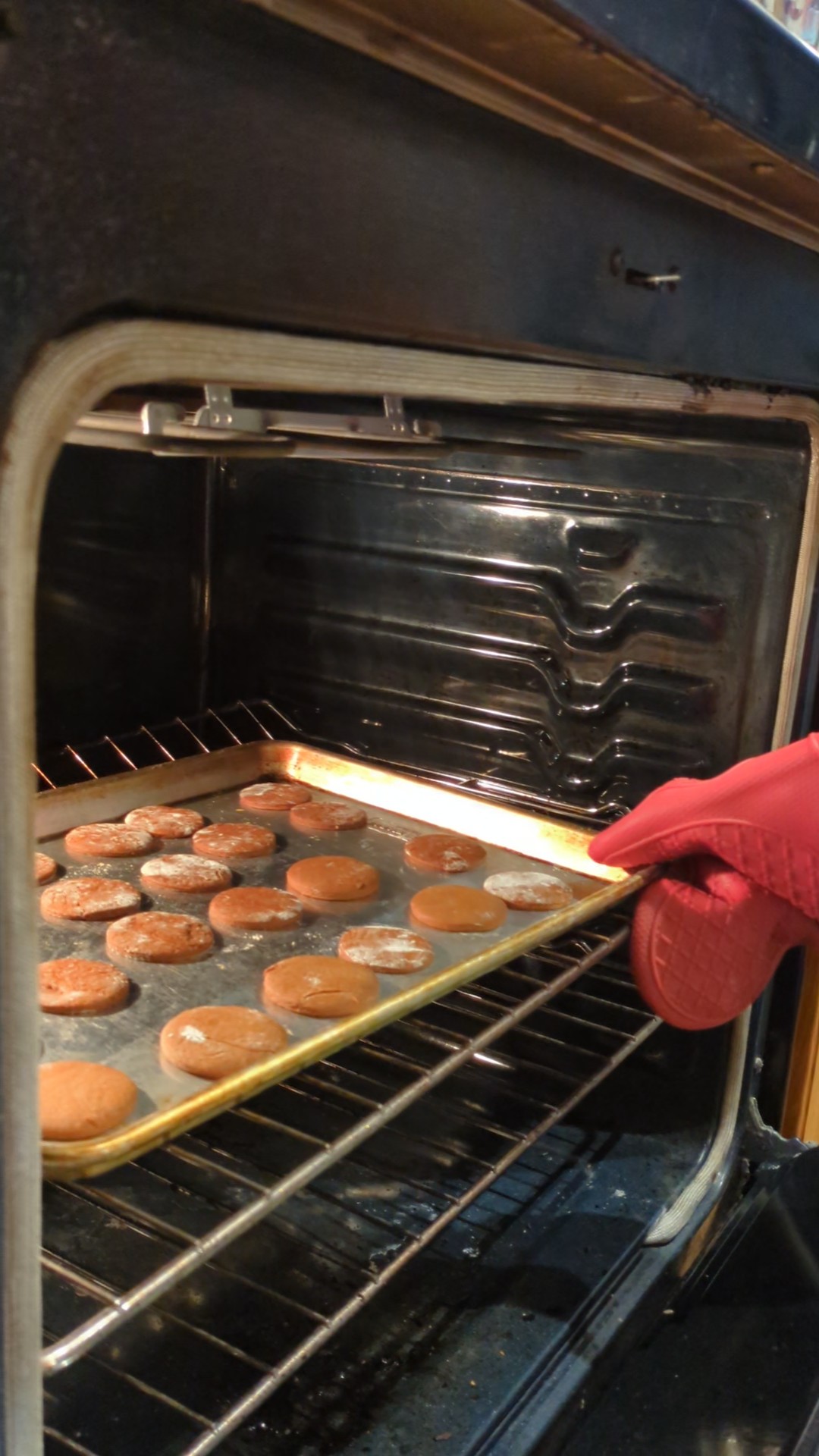
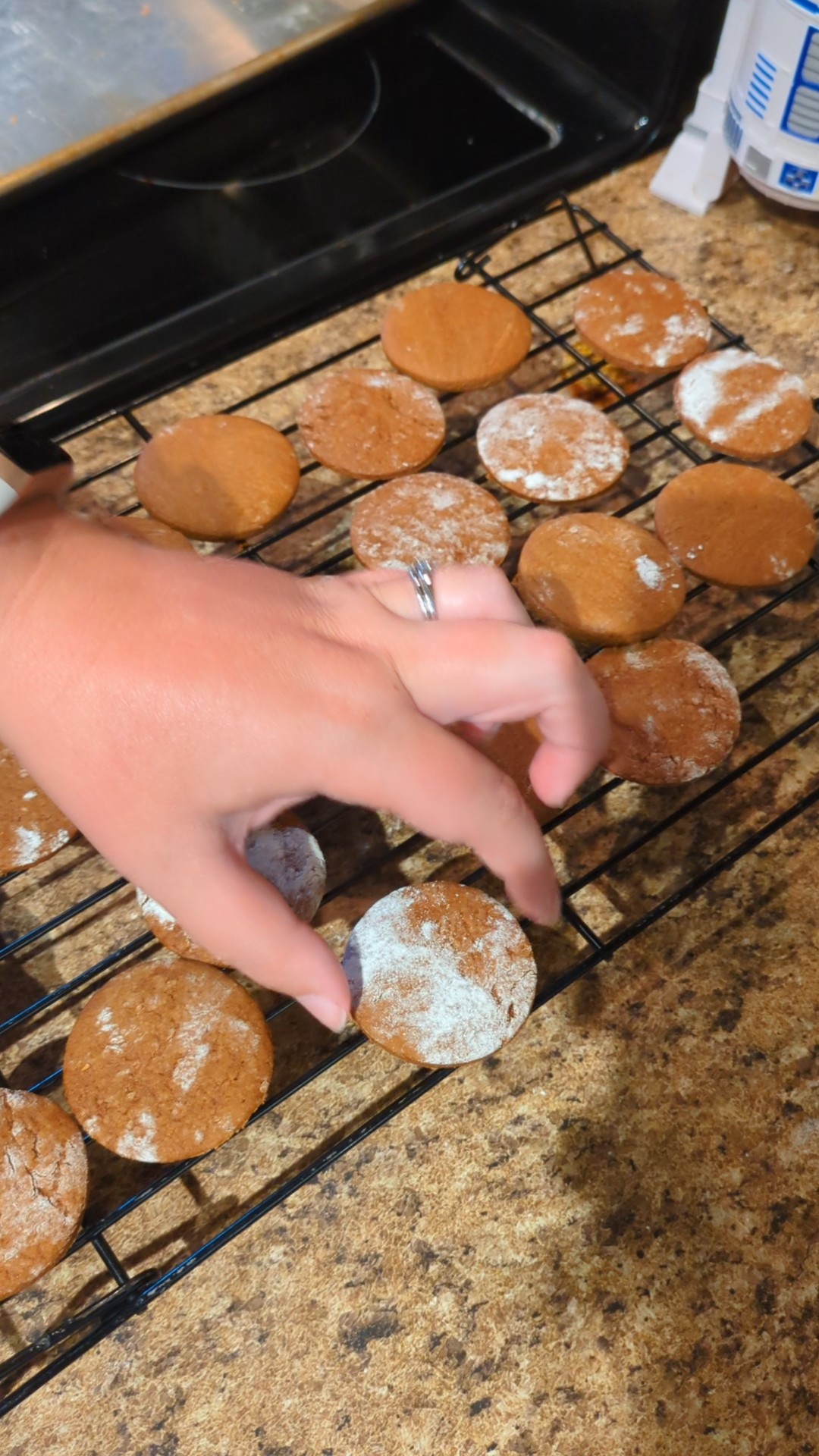
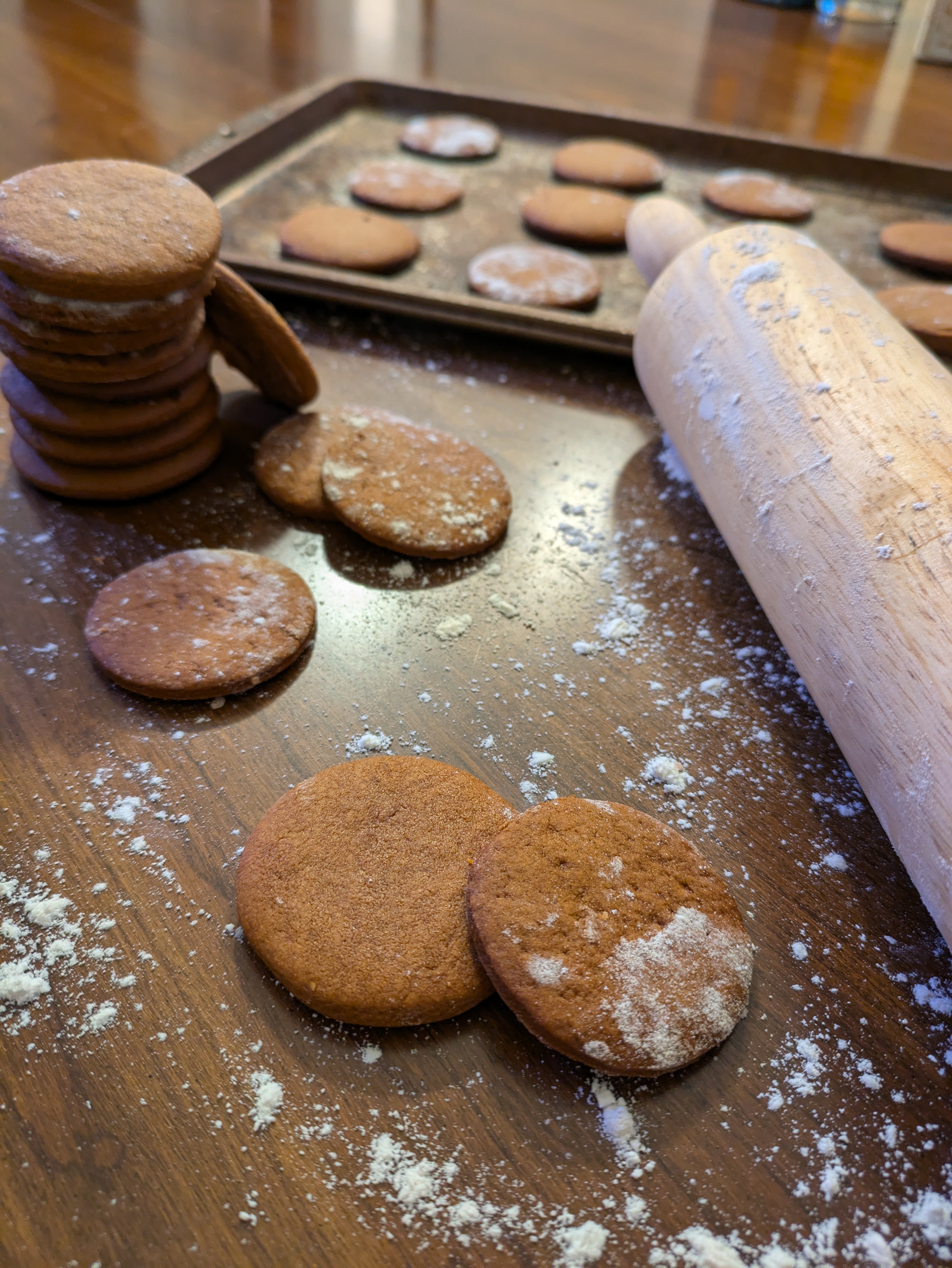
Needless to say, Daniel loved them as much as I did, and by the end of the next day, they were gone. Even the second batch, which had burned, but were still amazing dipped in milk. Who know a recipe with so little instruction would be so good?

 Forest Idylls
This is interesting; your experience with this recipe really highlights how women in former times really could be known as good cooks or bad cooks. Without being able to follow exact instructions there could be a wide variance in how a recipe turned out. I’ve read older books where it is discussed that a good cook might be fought over. Congratulations on making delicious ginger snaps from a vague recipe!